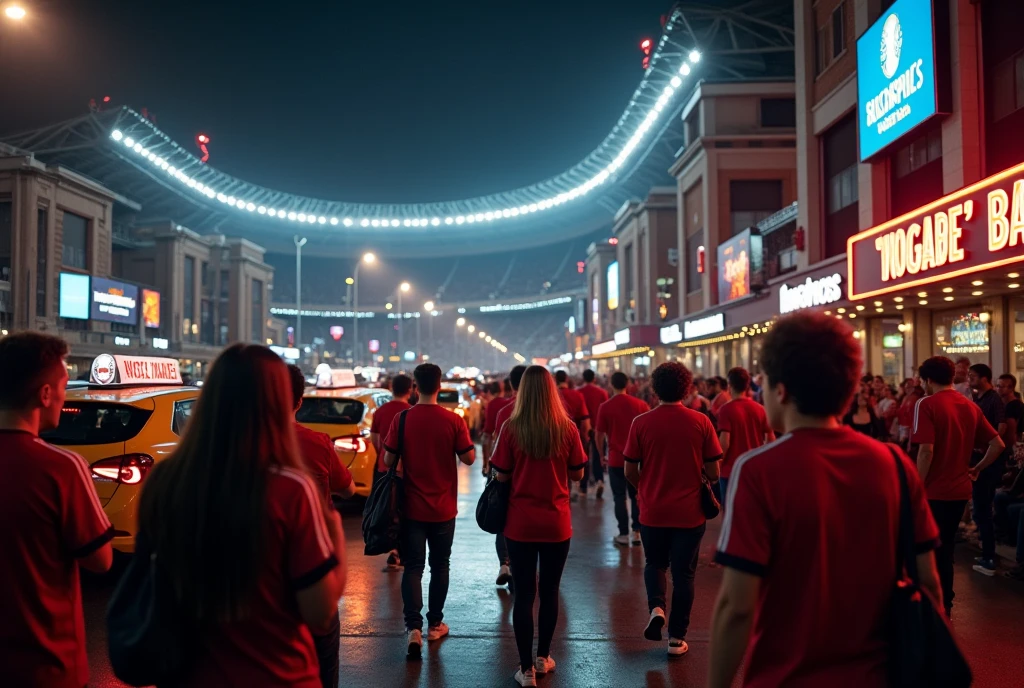
Major sports events rarely end when the final whistle blows. Instead, they trigger a second phase of activity that unfolds across the city after dark. The Nightlife Economy Around Major Sports Events is built on this transition, when tens of thousands of fans leave stadiums and arenas and immediately redirect their attention to bars, clubs, lounges, and private venues. A familiar pattern plays out in cities like Dallas during NFL games, playoffs, or major tournaments. Groups exit the stadium, check phones, split into smaller parties, and move toward nightlife districts. In this flow, some visitors extend the evening through structured plans, including booking tables, arranging transport, or using services like dallas escorts as a practical response to increased demand and limited time, rather than as a detached or abstract choice.
How Major Sports Events Activate the Local Night Economy
Large-scale sports events function as temporary economic accelerators. They compress demand into a short window and concentrate spending within specific neighborhoods.
Stadium Zones as Immediate Spending Hubs
Areas surrounding stadiums are the first to benefit. Bars, pubs, and clubs nearby prepare for predictable surges immediately after games. Staff levels increase, menus are simplified, and pricing often adjusts to volume conditions. Fans arrive energized, ready to spend, and less sensitive to price than on regular nights. This initial wave sets the tone for the rest of the evening and determines where secondary movement will go next.
A bulleted list fits naturally here:
- Sports bars within walking distance
- Late kitchens serving post-game crowds
- Clubs extending hours on event nights
Event Timing and Spending Peaks
Kickoff times shape nightlife patterns. Early games produce longer nights with multiple venue changes. Late games concentrate spending into shorter, more intense bursts. Overtime and dramatic finishes amplify emotional momentum, pushing fans to continue celebrations rather than disperse. Nightlife revenue often spikes sharply within the first two hours after an event ends.
Businesses That Benefit Most from Event-Driven Nightlife
While many sectors feel an uplift, some businesses consistently capture the largest share of post-event spending.
Bars, Clubs, and Entertainment Venues
Traditional nightlife venues are direct beneficiaries. Major sports events justify higher cover charges, special programming, and themed nights. DJs, live music, and extended licenses are scheduled specifically around game calendars. For many venues, a handful of major events can account for a significant portion of monthly revenue.
On-Demand and Premium Night Services
Beyond visible nightlife, demand rises for services that operate on speed and availability. Transport, private hospitality, and premium adult services see increased booking volumes tied directly to event schedules.
A numbered list works well here:
- Ride services and private drivers
- Hotel bars and private suites
- On-demand nightlife and escort services

Temporary Labor Shifts and Night Workforce Expansion
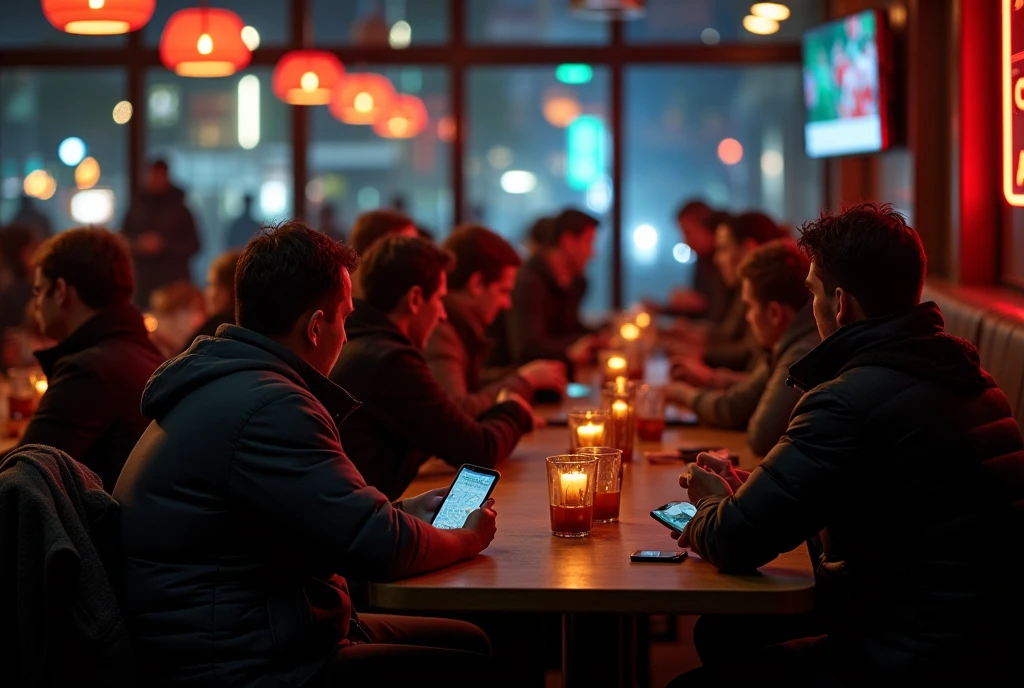
Major sports events force nightlife businesses to adapt their workforce in short timeframes. Bars, clubs, and entertainment venues often increase staff only for event nights, hiring temporary bartenders, security, cleaners, and promoters. Schedules become more flexible, with extended shifts and performance-based pay replacing fixed routines. This creates a temporary labor market that exists only around major events. Workers move between venues based on expected crowd size and tipping potential. Some specialize exclusively in event-driven nights, treating regular weekdays as secondary. The result is a nightlife workforce that expands and contracts with the sports calendar rather than seasonal trends. This flexibility allows venues to handle sudden demand spikes without long-term staffing commitments, reshaping how night economies operate during peak sports periods.
Visitor Behavior and Spending Patterns During Sports Events
Sports events reshape who is spending and how money flows through nightlife ecosystems.
Traveling Fans and Short-Stay Consumption
Out-of-town visitors behave differently from locals. With limited time and less familiarity, they prioritize convenience and proximity. Spending tends to be higher per night, focused on fewer venues, and oriented toward complete experiences rather than exploration. Hotels, downtown lounges, and concierge-linked services benefit most from this pattern.
Group Dynamics and Post-Game Decision Making
Group size and game outcomes influence spending behavior. Wins encourage extended nights, venue hopping, and higher alcohol consumption. Losses often fragment groups, leading to smaller gatherings or private settings.
A bulleted list fits naturally here:
- Large groups staying near the stadium
- Smaller groups moving downtown
- Private plans replacing public venues late
When Sports Events Become Nightlife Economic Engines
Major sports events temporarily reorder city nightlife economies. They shift demand, intensify spending, and compress decision-making into a narrow timeframe. For businesses, these nights are not just busier versions of weekends but distinct economic moments with their own logic.
A brief concluding list reinforces the core points:
- Sports events drive predictable nightlife surges
- Spending concentrates in specific zones and services
- Nightlife becomes an extension of the event itself