
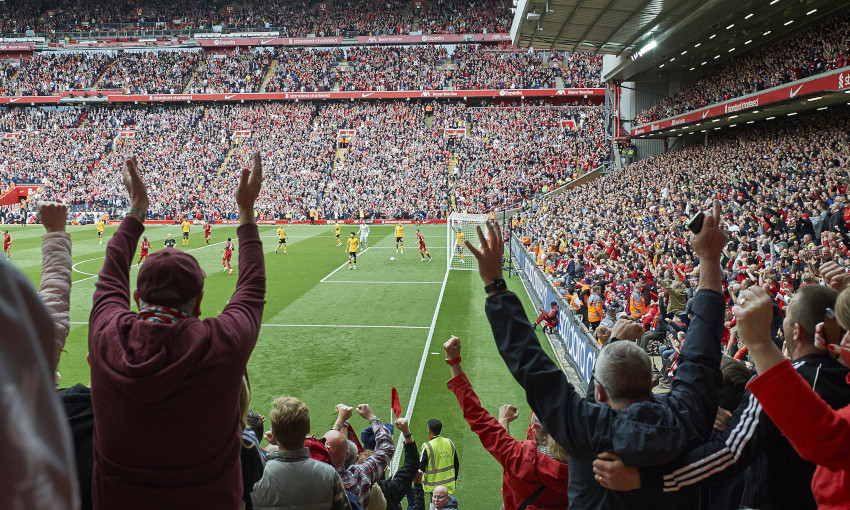
A sold-out stadium can look like a triumph of team loyalty and clever marketing on behalf of the organization, but behind the noise of the crowd is a quieter influence: the U.S. labor market. The logic is very simple: when job growth is strong and wages are rising, fans are more likely to spend on tickets, parking, and overpriced nachos. When hiring slows, attendance often softens as well. In that sense, the monthly U.S. jobs report does more than just move financial markets – it can foreshadow how full stands will be.
Let’s analyze this link between employment and stadium attendance and conclude how it is grounded in well-documented economic behavior.
Job Report as an Economic Signal
Every month, the U.S. The Bureau of Labor Statistics releases data on employment, wages, and hours worked. There are several statistical numbers released, and the most important figure among them is commonly referred to as NFP or Nonfarm Payrolls. Financial markets, especially the currency market, react within seconds, and this reaction is usually dramatic when numbers are unexpected. Policymakers use it to measure economic activity and the overall country’s economic health. Businesses use it to assess consumer demand and develop more realistic projections.
For sports franchises, NFP has an indirect impact. Research from the Federal Reserve and private economic institutes has consistently shown that employment growth is correlated with consumer spending in non-essential areas such as travel, dining, and entertainment, and stadium attendance falls into this group as well.
The correlation between the two is rather predictable: when payrolls expand and unemployment is low, households tend to feel more confident about future income. This confidence is the most critical factor because consumer sentiment improves when job growth is steady. This optimism is usually translated into more willingness to buy tickets weeks in advance, upgrade seats, and spend more freely once inside the stadium.
By contrast, weak job growth or rising unemployment creates uncertainty, and confidence falls. Even workers who remain employed will usually delay purchases out of fear of layoffs or reduced hours.

Strong Labor Markets and Full Stands
History offers many good examples. During periods of sustained job growth, such as the late 1990s and the long recovery following the Great Recession, major U.S. sports leagues saw steady or rising attendance alongside increasing ticket prices. Ticket prices rose around 15% year-over-year in June 2024, while attendance across major leagues hit records in 2023, suggesting strong consumer demand. What this teaches us is that when the economy is in its recovery, more tickets are sold even though ticket prices are higher than before.
The economic mechanism is straightforward. A stronger labor market increases disposable income. Disposable income, in turn, increases spending on entertainment and sports, together with other activities. For stadium operators and team owners, this translates into higher average income per fan, not only from direct ticket sales, but from parking, beverages, and in-stadium advertising tied to crowd size.
When Hiring Slows, So Do Crowds
During the 2008-2009 global financial crisis, when job losses mounted and consumer confidence was lowest in decades, several leagues experienced notable declines in revenue. Teams responded with aggressive promotions, offering various benefits and ticket giveaways to lower the psychological barrier to entry. Even in milder slowdowns, the effect can be felt. Worsening job growth does not need to trigger mass unemployment for it to have an impact on fan behavior. The mere perception of risk can suppress the willingness of fans to spend on tickets and merchandise. A fan who might normally attend four games a season may cut to one or two. Another might wait until the day of the game, searching for a cheaper ticket on resale platforms.
From a business standpoint, this creates volatility. Attendance becomes harder to predict and project. Dynamic pricing algorithms, now common across professional sports, often incorporate economic indicators alongside team performance and weather forecasts. This dynamic pricing model is a powerful method for the sports sector to ensure stable earnings even in turbulent times. When labor data weakens, prices tend to adjust downward more quickly to maintain volume.
Why This Link Matters for Sports Economics
This relationship between labor markets and attendance is not just academic. It has real-world implications for revenue forecasting, stadium financing, and long-term franchise valuation stability.
Cities that consider investing in stadiums also rely on projections of future attendance. If those projections ignore employment trends, they expose themselves to a serious risk of overstating economic benefits. Likewise, teams negotiating media rights or sponsorship deals benefit from understanding how macro trends influence crowd size and spending.
In recent years, the rise of secondary ticket markets and streaming services has added another layer to the equation. When jobs are healthy, fans are more likely to attend in person rather than watch at home. When employment weakens, on the other hand, cheaper digital alternatives become more attractive.